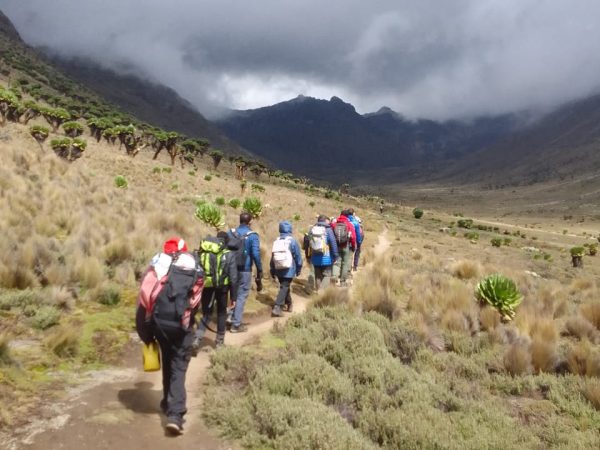
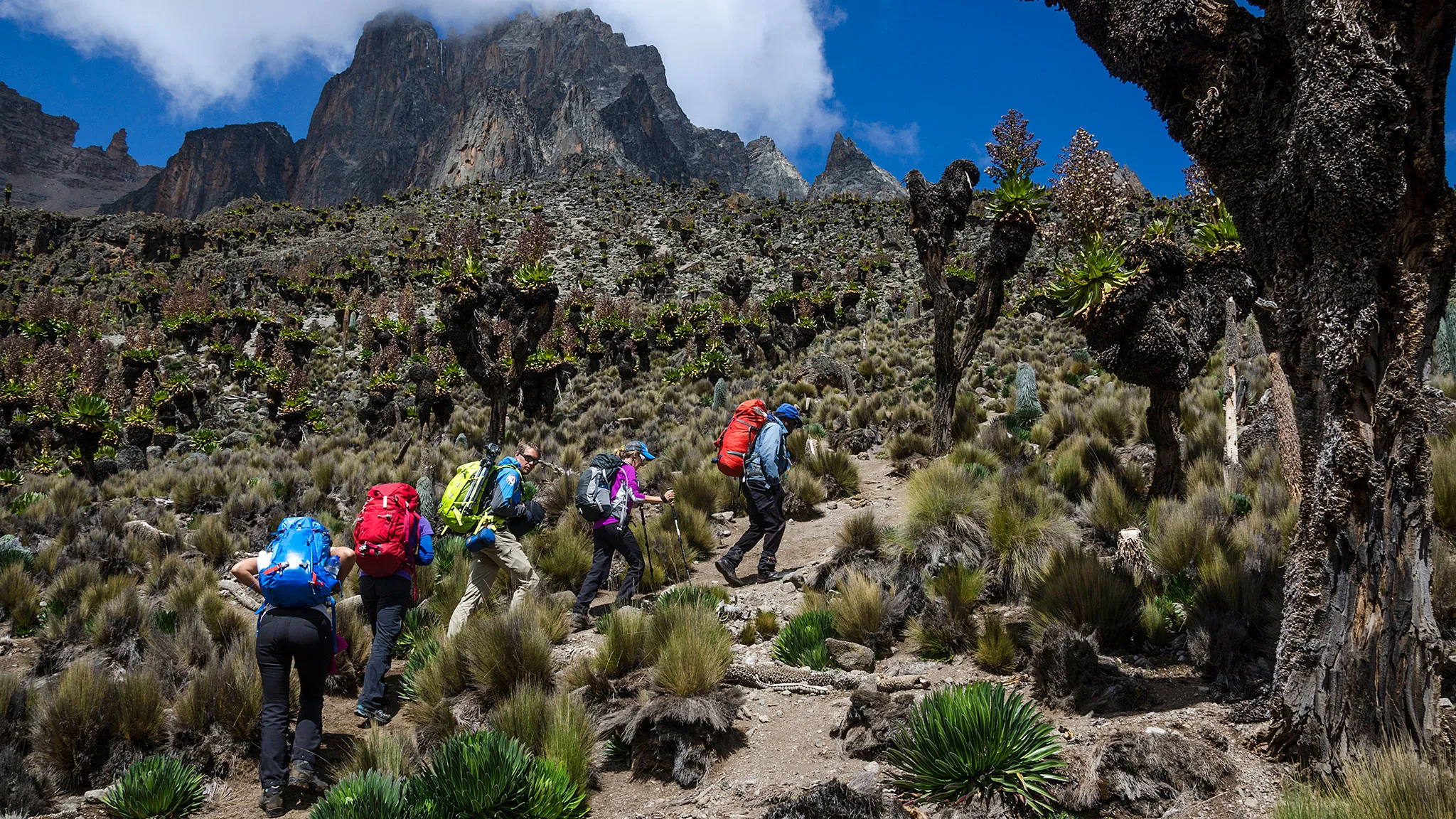
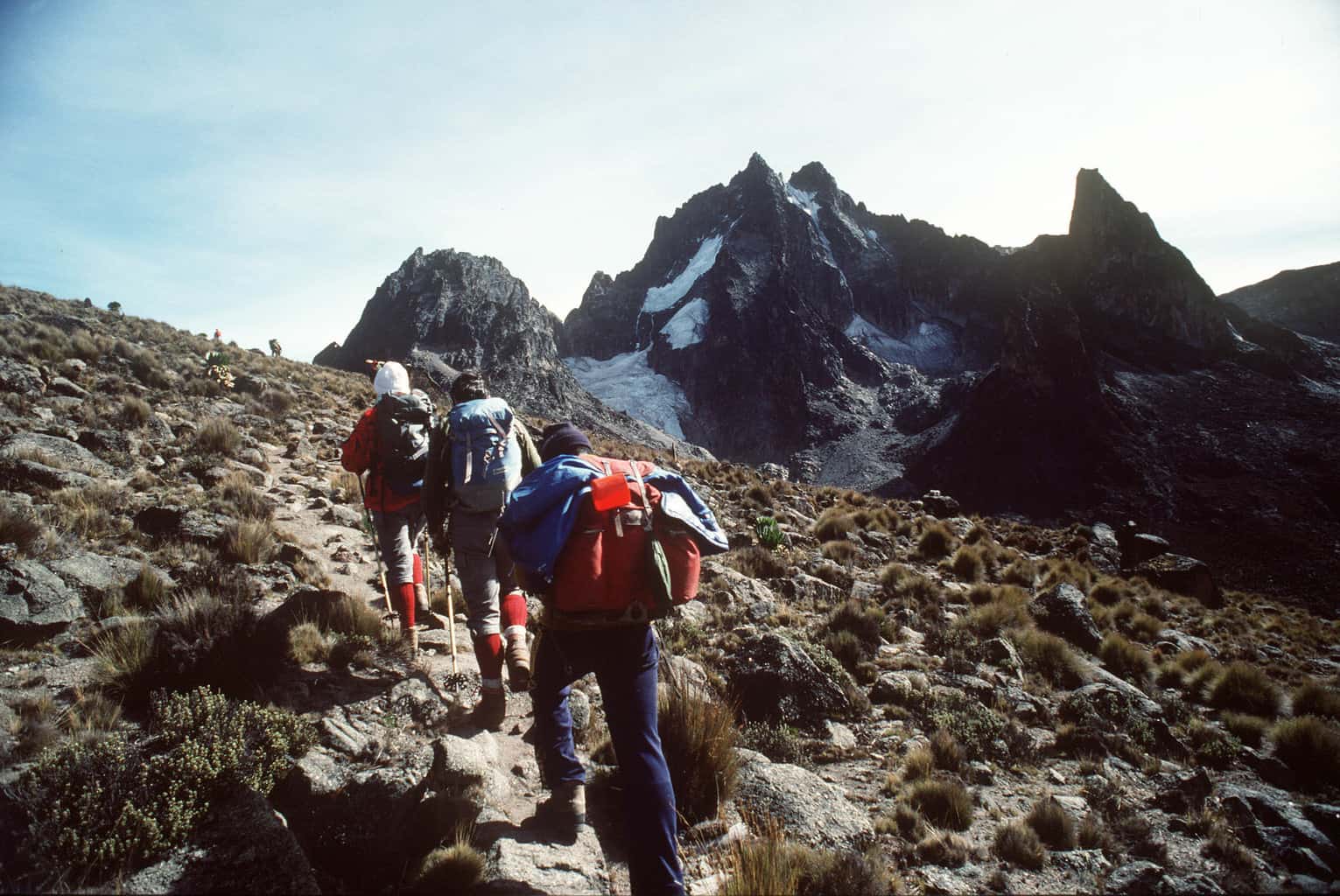
Climbing Mount Kenya

After an exciting Kenya safari in the Maasai Mara National Reserve or Amboseli, many travelers choose to unwind along Kenya’s warm Indian Ocean coastline. And at the heart of it all lies Mombasa Island — a destination where white-sand beaches, Swahili culture, and centuries of history blend effortlessly. Mombasa is Kenya’s oldest and second-largest city, offering far more than just beach relaxation. Here, tropical beauty meets rich heritage, vibrant markets, marine parks, and luxury beachfront resorts. Choosing Mombasa isn’t about right or wrong — it’s about the kind of coastal experience you want. If you’re looking for a mix of culture, beach life, and activities, Mombasa delivers perfectly.

How Hard Is It to Climb Mount Kenya?

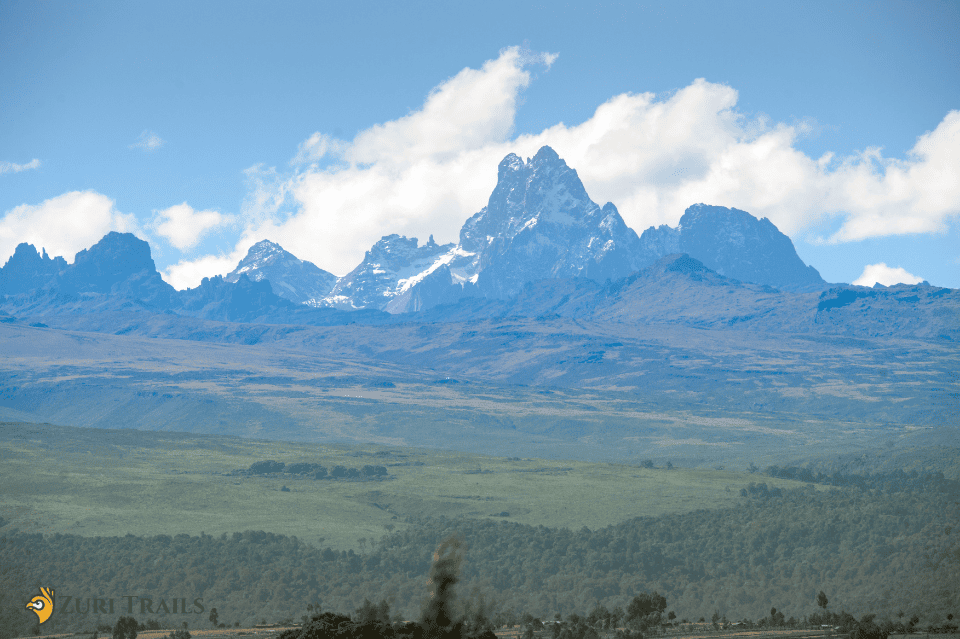
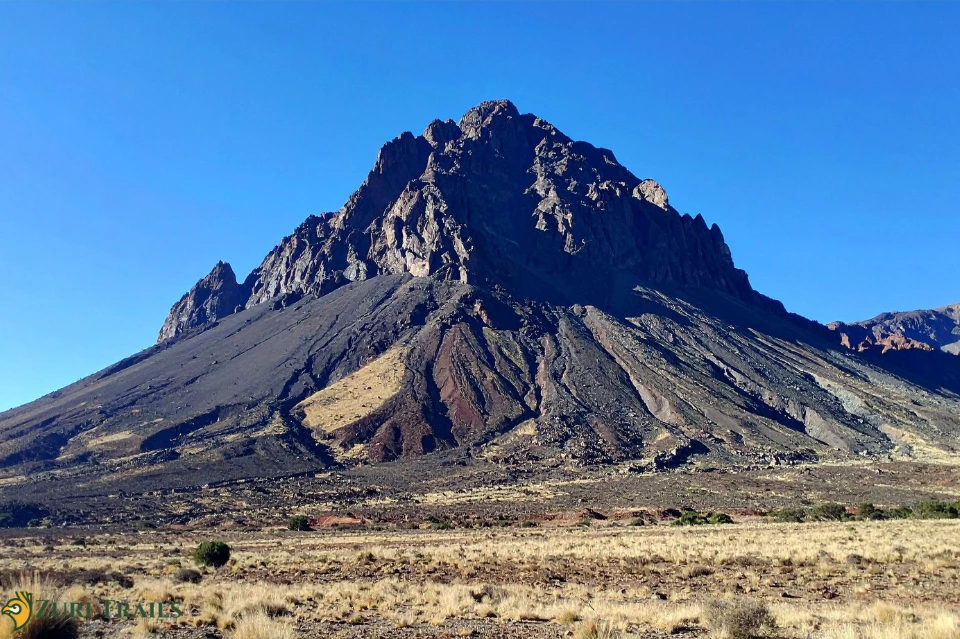
Climbing Mount Kenya varies in difficulty depending on your chosen summit. The most popular trekking goal is Point Lenana (4,985 m / 16,354 ft), which does not require technical climbing skills. It is achievable for beginners with a good fitness level and proper acclimatization.

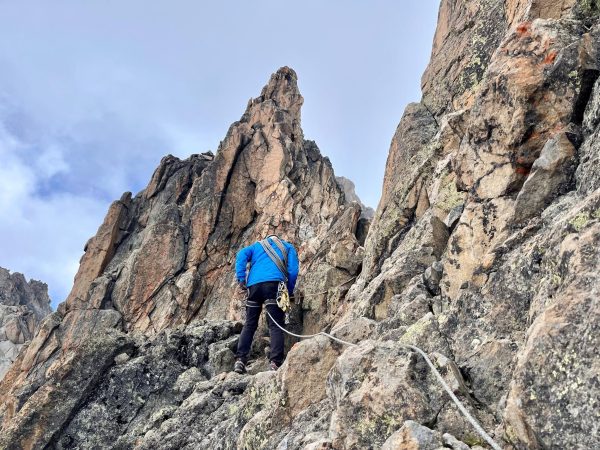
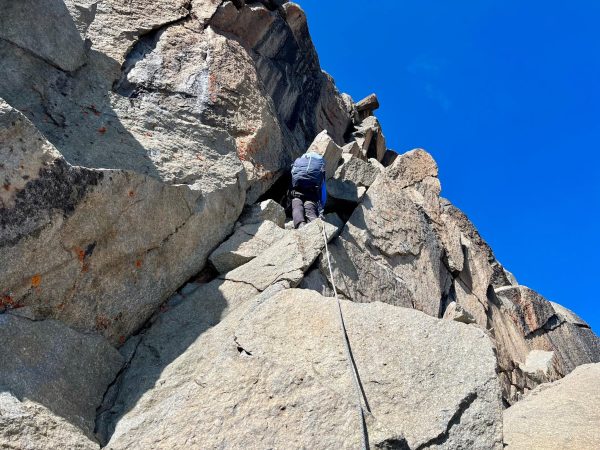
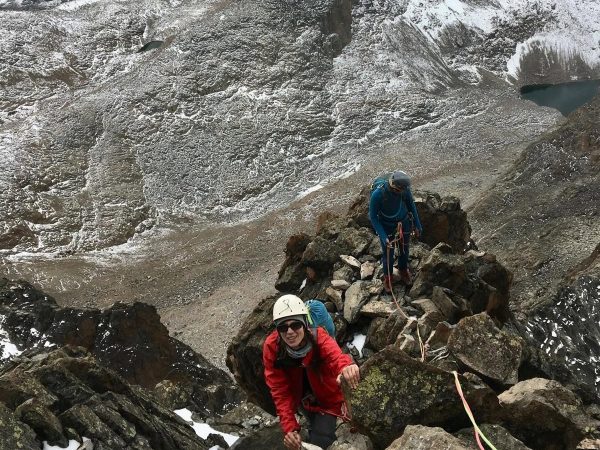
The higher summits, Batian and Nelion, require technical rock climbing experience and specialized equipment. Most visitors, however, choose the non-technical trekking routes to Point Lenana.

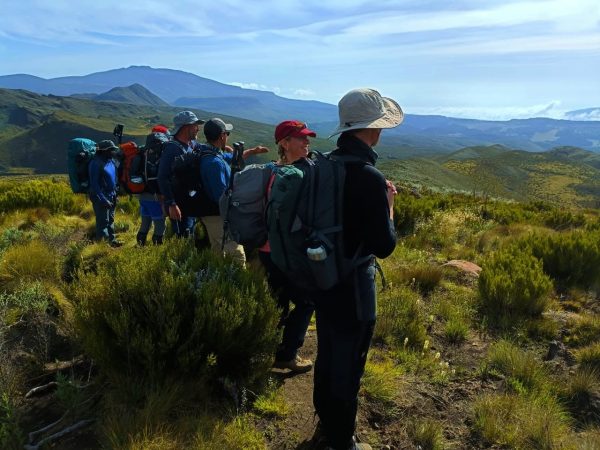
A moderate fitness level is essential. If you can comfortably hike for 6–8 hours per day and handle steep ascents, you are physically capable of reaching Point Lenana with the right preparation.


Best Routes to Climb Mount Kenya

Mount Kenya offers several established trekking routes, each with unique scenery and acclimatization profiles.

The Sirimon Route is considered the most gradual and beginner-friendly ascent. It approaches the mountain from the northwest and provides steady altitude gain, making it ideal for acclimatization.

The Chogoria Route is often described as the most scenic. Trekkers pass waterfalls, alpine lakes, and dramatic cliffs before approaching the summit area. Many climbers ascend via Sirimon and descend via Chogoria to enjoy the best of both routes.

The Naro Moru Route is the fastest and most direct path to Point Lenana. While shorter, it is steeper and can be more physically demanding, especially through the “Vertical Bog” section.

Choosing a 4–5 day itinerary significantly improves acclimatization and summit success compared to shorter climbs.

Featured

Login to use

7 Days Climbing Mount Kenya Timau Trek Route
0(0)

7 Days Climbing Mount Kenya Timau Trek Route

Duration

7 Days

Group size

0 - 30
Best Time to Climb Mount Kenya

Mount Kenya can be climbed year-round, but the best weather conditions typically occur between January and March and again from June to October.

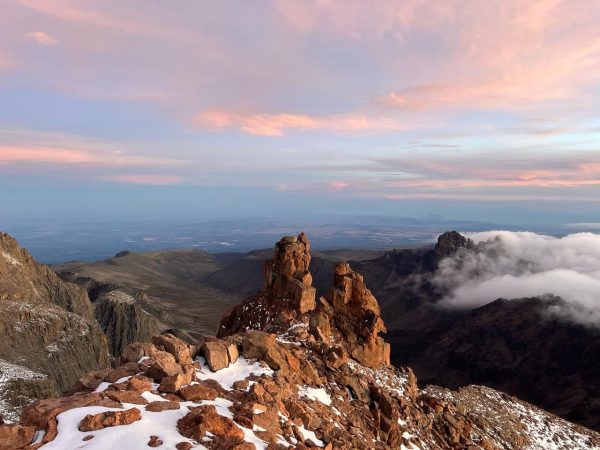
During these dry seasons, skies are clearer, offering spectacular sunrise views from Point Leanna. Rainy months bring more cloud cover and slippery trails, though they also create lush, vibrant landscapes.

Early summit attempts usually begin before dawn, allowing climbers to reach the peak at sunrise when the skies are often clear.


Weather/When To Go Climbing Mount Kenya

First things first, although Mount Kenya is on the equator, at an altitude of 4,000 m, it gets freezing at night! You need to be prepared for overnight temperatures well below freezing (a good three-/four-season sleeping bag is a must).

Minus 10 or even minus 20 degrees Celsius is not unheard of at Point Leanna. Otherwise, expect plenty of hot overhead sun and rain if you are trekking during the short or long rains.

Kenya is subject to two rainy seasons, the long rains from mid-March to mid-June and the short rains from September to October. Mount Kenya remains trek-able throughout the year, but during the long rains especially, you will need to be prepared for some heavy rainfall and muddy tracks.

The good news is that even in the depth of the long rains, there is usually reliable sunshine for a good portion of the day (10 am – 3 pm). Outside the rainy season, you can expect plenty of sunshine.

It’s safest to climb Mt. Kenya during the dry seasons: January – February and August to September for the most reliably fine weather. The main routes are likely to be more crowded at this time of the year. If you favor complete solitude over the sunny skies, try going slightly off the peak season.

It’s best to avoid the two rainy seasons from mid-March until June and from late October to the end of December.

Training for Mount Kenya

While Mount Kenya is accessible to fit beginners, preparation significantly improves comfort and summit success. Cardiovascular endurance is key. Activities such as hiking, running, cycling, and stair climbing build the stamina needed for long trekking days.

Altitude remains the main challenge. Even at Point Lenana’s elevation, some climbers experience mild altitude symptoms. Choosing a longer itinerary and ascending slowly are the best preventive measures.

Practicing multi-day hikes before your trip is highly recommended.


Altitude Sickness and Safety on Mount Kenya

The biggest risk on Mount Kenya is Acute Mountain Sickness (AMS), caused by rapid altitude gain. Symptoms may include headaches, nausea, fatigue, and dizziness. In rare cases, severe altitude illness can occur if climbers ascend too quickly without proper acclimatization.

Fortunately, most cases are mild and manageable when itineraries are properly planned. Staying hydrated, walking slowly, and allowing rest days greatly reduce risk.

Professional guides monitor climbers closely and are trained to recognize altitude-related symptoms. Choosing a licensed and experienced guide service is critical for safety.

WHY CLIMB WITH US

Bringing Your Travel Dreams to Life

Experience Mount Kenya with a trusted team of professional guides, well-planned routes, quality camping support, and personalized service that ensures every climb is safe, memorable, and rewarding from start to summit.

Mt. kenya
Beginner to Mt. Kenya in 90 Days

Mount Kenya Climbing Accommodation (Huts & Camps Overview)

Climbing Mount Kenya offers a range of mountain huts and camps strategically located along the main trekking routes. These accommodations provide basic but essential shelter, meals (in some sites), and resting points for climbers attempting summit routes on Mount Kenya.

Advance reservation is strongly recommended, especially during peak climbing seasons, as capacity is limited and demand is high.

Below is a professionally detailed guide to the main accommodation huts used during Mount Kenya climbs.


Old Moses Hut – Sirimon Route (3,300m)

Old Moses Hut is the first major campsite encountered when ascending via the Sirimon Route on Mount Kenya. It is located approximately 2–3 hours’ hike from Sirimon Gate, making it a key acclimatization stop for climbers.

The camp features simple but functional wooden dormitory-style cabins fitted with bunk beds, shared communal facilities, and a basic kitchen area. A communal dining hall is available for group meals, and cold running water is provided at designated points within the camp.

Toilets are mainly indoor W.C. facilities located within the accommodation blocks. Climbers may choose between staying in the huts (subject to availability and pre-booking) or pitching tents within the designated campsite area.

The surrounding environment transitions from forest edge into moorland scrub, with unique alpine vegetation such as lobelias. Wildlife sightings may include birds and small mammals commonly found in high-altitude ecosystems.

Accommodation Type: Dormitory huts / Camping
Elevation: 3,300 meters
Booking: Pre-booking required


Mackinder’s Hut – Teleki Valley (4,200m)

Mackinder’s Hut is located in the Teleki Valley along the Naro Moru Route and is one of the highest and most important acclimatization camps before summit attempts on Mount Kenya.

The facility accommodates climbers in stone-built dormitory-style lodges with bunk beds and basic shared facilities. It has a capacity of approximately 66 climbers and also provides space for camping.

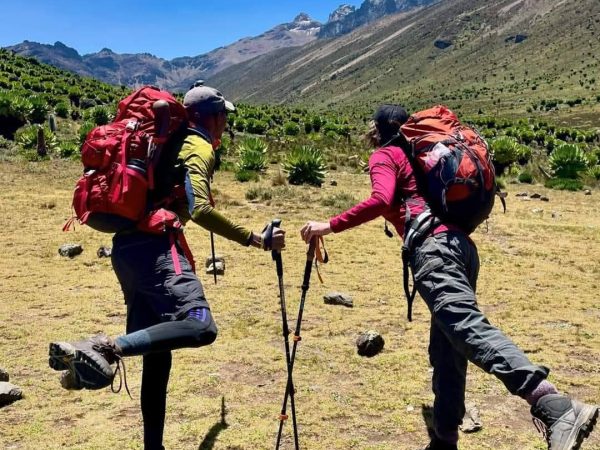
The hut is situated within the afro-alpine zone, surrounded by sparse vegetation including giant groundsels and tussock grasses. Wildlife sightings may include rock hyrax and various high-altitude bird species. Weather conditions can change rapidly, with frequent fog, cold winds, and occasional snowfall.

Despite its remote setting, Mackinder’s Hut is a crucial staging point for climbers preparing for the final ascent to Point Lenana.

Accommodation Type: Stone lodge / Dormitory & camping
Elevation: 4,200 meters
Capacity: ~66 people
Booking: Required in advance


Met Station Lodge – Naro Moru Route (3,050m)

Met Station Lodge is the first major accommodation point on the Naro Moru Route and is located within the upper rainforest zone of Mount Kenya].

It is one of the most accessible camps, reachable by a dirt road, and often used for both climbers and non-trekking visitors seeking a wilderness experience.

Accommodation consists of simple wooden dormitory cabins with bunk beds, shared latrine-style toilets, and basic water supply from taps. There are no meal services at the camp, so climbers must bring their own food supplies.

The surrounding rainforest environment is rich in biodiversity, with frequent sightings of monkeys and diverse bird species. It serves as an important acclimatization point before ascending into higher alpine zones.

Accommodation Type: Basic cabins / Camping
Elevation: 3,050 meters
Facilities: Cold water, no catering


Shipton’s Hut – Sirimon Route (4,250m)

Shipton’s Hut is a high-altitude camp located in Mackinder’s Valley on the Sirimon Route and is one of the final major camps before summit attempts on Mount Kenya].

The camp provides dormitory-style wooden cabins with bunk beds, communal dining areas, and basic kitchen facilities. Climbers can also opt to camp in tents, although hut accommodation requires prior booking due to limited space.

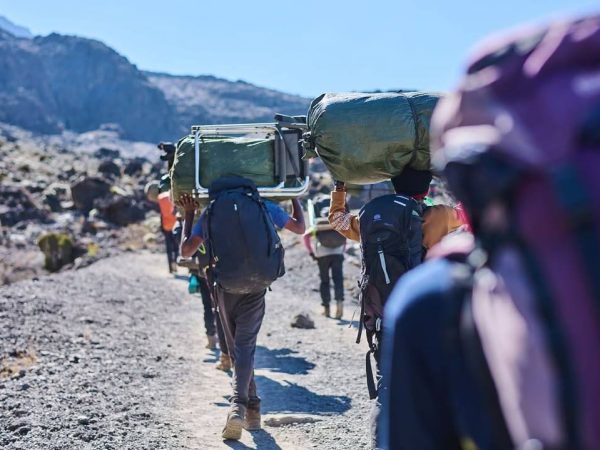
Sanitation facilities include both indoor W.C. toilets with cold running water and external pit latrines. Separate sleeping areas are available for guides and porters.

The surrounding landscape is part of the alpine desert zone, characterized by rocky terrain, sparse vegetation, and dramatic views of the main peaks. Wildlife is limited but may include birds and small mammals such as hyrax.

Shipton’s Hut is strategically positioned a few hours below Point Lenana, making it an essential acclimatization and staging point for summit ascents.

Accommodation Type: Dormitory huts / Camping
Elevation: 4,250 meters
Booking: Required in advance


Key Notes on Mount Kenya Accommodation

  • All huts are basic mountain shelters designed for trekking support
  • Early booking is essential during peak climbing seasons
  • Camping is available at most sites as an alternative to huts
  • Facilities become more basic with increasing altitude
  • Climbers should carry sleeping bags, warm gear, and personal essentials
Discover the untouched beauty of Vinh Hy

Lorem ipsum dolor sit amet consectetur. Odio ut tellus neque pulvinar ridiculus nisl. 

What to Pack for Mount Kenya

Climbing Mount Kenya takes you through multiple climatic zones, from rainforest at the base to near-glacial conditions near the summit. Temperatures can range from warm daytime hikes to freezing summit mornings.

Essential gear includes layered clothing, waterproof outerwear, sturdy hiking boots, warm gloves and hat, trekking poles, a quality sleeping bag rated for sub-zero temperatures, and a reliable daypack. Weather conditions can change quickly, so preparation for both sun and cold is necessary.

Proper gear significantly increases comfort and safety during the climb.


Mount Kenya vs Kilimanjaro: Which Should You Choose?

While Mount Kilimanjaro is taller and more internationally famous, Mount Kenya offers a quieter, more diverse trekking experience. Trails are less crowded, scenery varies dramatically, and wildlife sightings in the lower forest zones are possible.

Mount Kenya is often preferred by travelers seeking adventure without heavy tourist traffic. It also pairs exceptionally well with Kenya safari experiences, allowing climbers to combine mountain trekking with wildlife exploration in destinations such as the Maasai Mara or Amboseli.

Final Thoughts: Why Climb Mount Kenya?

Climbing Mount Kenya is a rewarding high-altitude adventure that blends physical challenge with extraordinary scenery. From alpine lakes and giant lobelias to sunrise views across Kenya’s vast landscapes, the mountain offers a powerful sense of achievement.

Whether you are an adventurous beginner targeting Point Lenana or an experienced climber pursuing technical peaks, Mount Kenya provides a world-class trekking experience in the heart of East Africa.

With proper preparation, professional guidance, and the right itinerary, your Mount Kenya climb can become one of the most memorable adventures of your lifetime.

Not sure which tour is right for you?
We're here to help.

Chat online

Chat instantly with us during our normal hours, or leave a message and we’ll get back to you ASAP.

Schedule a call

Chat instantly with us during our normal hours, or leave a message and we’ll get back to you ASAP.

Call us

Chat instantly with us during our normal hours, or leave a message and we’ll get back to you ASAP.

Our verified itineraries are loved by our travelers – the high ratings speak for themselves!

500+ reviews

Best Nairobi, Amboseli & Naivasha Safari Experience

It works perfect and has many experiences included where other safari packages require costly add-ons. The itinerary is well organized, the game drives were incredible, and the support team responded within 24 hours to all our questions. Great safari, great service!!!

Marcus Aureli

Spain

Perfect Kenya Safari from Nairobi to Amboseli & Naivasha

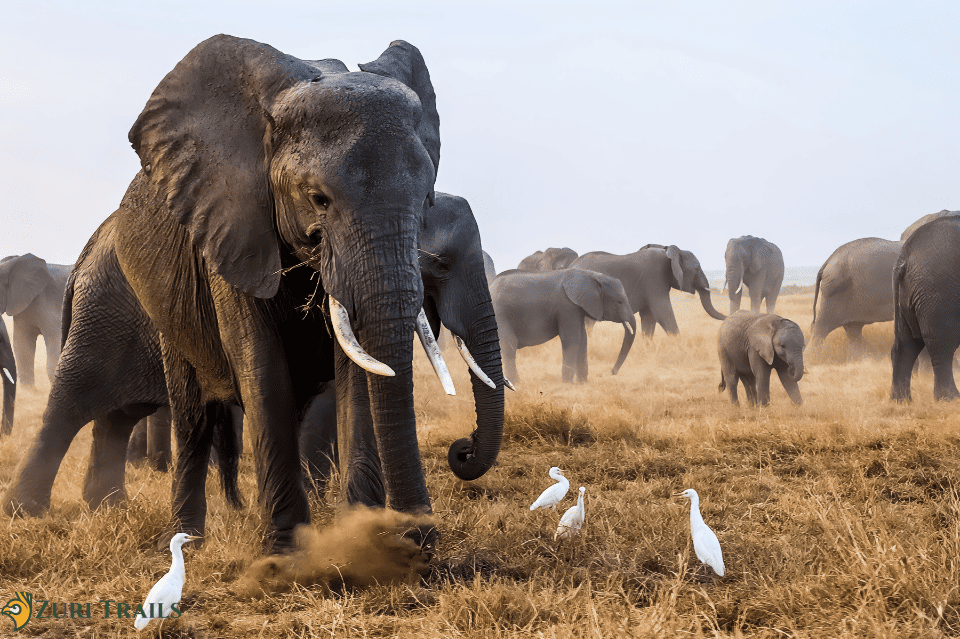
This Nairobi, Amboseli and Lake Naivasha safari wa lit. Everything was smooth from airport pick-up to the final drop-off. We saw elephants in Amboseli National Park and enjoyed a peaceful boat ride at Lake Naivasha. The support team was responsive and professional. Highly recommended!!!

Sani Bans

Britain

Incredible Wildlife Views in Amboseli & Naivasha

The safari worked perfectly and included so many activities without hidden costs. Watching elephants with Mount Kilimanjaro in the background was unforgettable. Communication was excellent and all our questions were answered quickly. Great itinerary, great memories!!!

Peters Phillip

England

Seamless Safari Planning & Excellent Support

Booking this Nairobi to Amboseli adventure was the best decision. The team answered all emails within 24 hours and handled everything professionally. From game drives in Amboseli National Park to relaxing moments at Lake Naivasha, it was perfectly organized!!!

Kelvin Dons

Italy

How can we assist you today?WhatsApp
Ken K.
Typically replies within a day