


The Ultimate Kenya Safari Guide
Everything You Need to Know Before Your Adventure
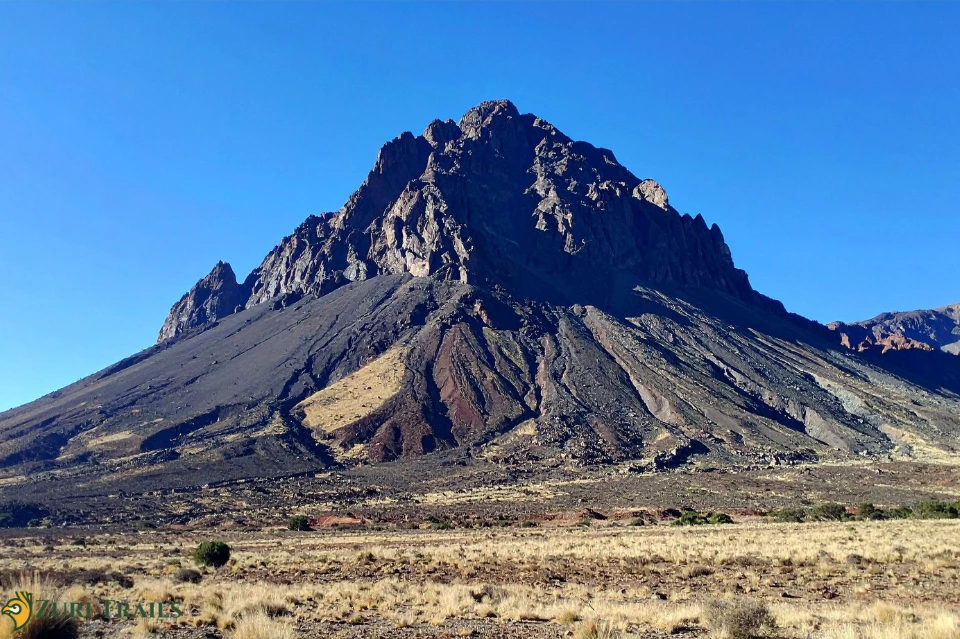
A Kenya safari is more than a vacation — it is an immersive journey into some of the most spectacular wildlife ecosystems on Earth. From vast savannah plains to dramatic mountains and shimmering Rift Valley lakes, Kenya offers one of Africa’s most rewarding safari experiences.
If you are planning your first safari (or returning for another adventure), this guide will help you understand where to go, when to travel, what to expect, and how to prepare.
Why Choose Kenya for a Safari?
Kenya is widely regarded as the birthplace of safari. The country combines exceptional wildlife density, diverse landscapes, strong conservation efforts, and excellent tourism infrastructure.
Highlights include:
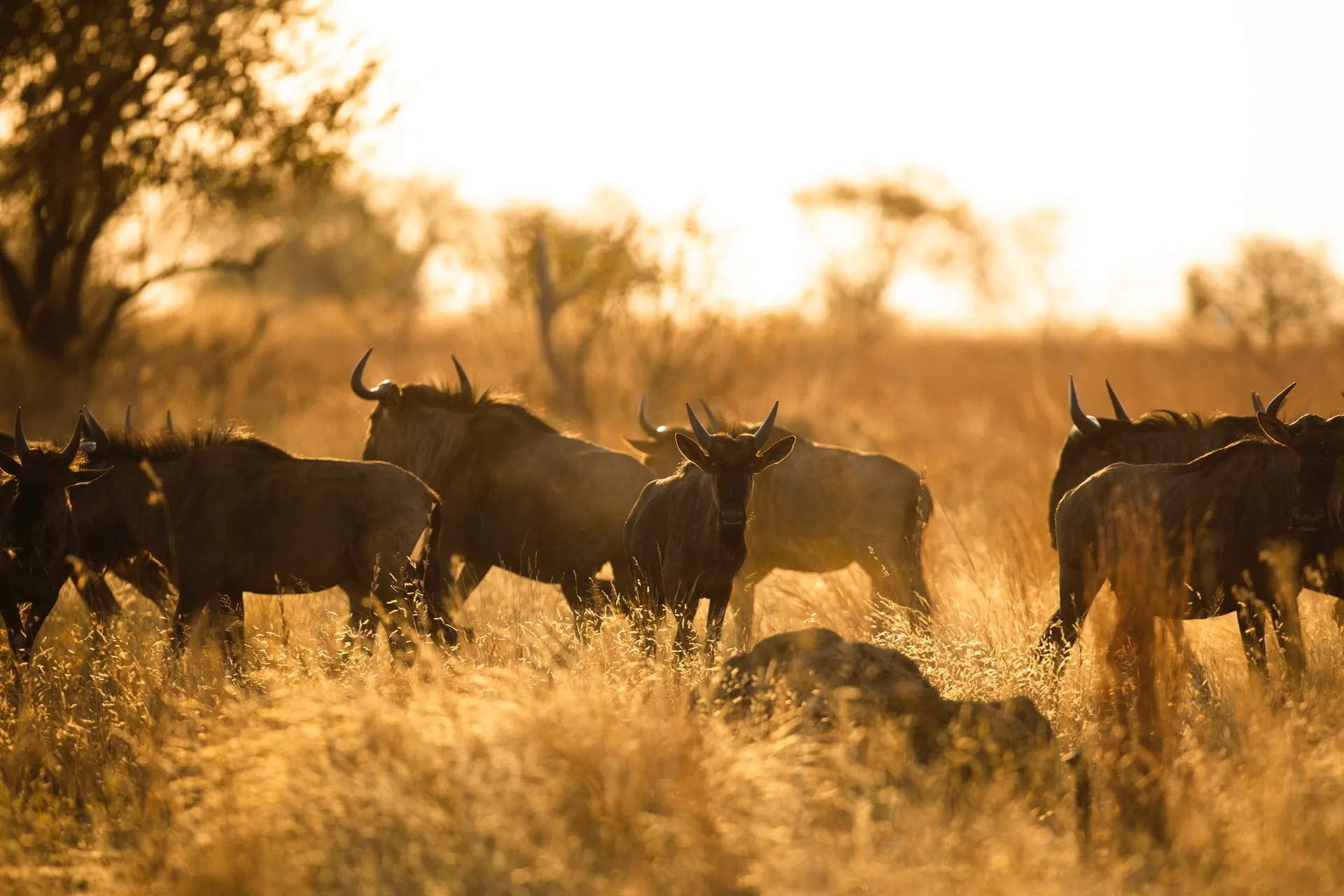
The Great Wildebeest Migration in the Maasai Mara National Reserve
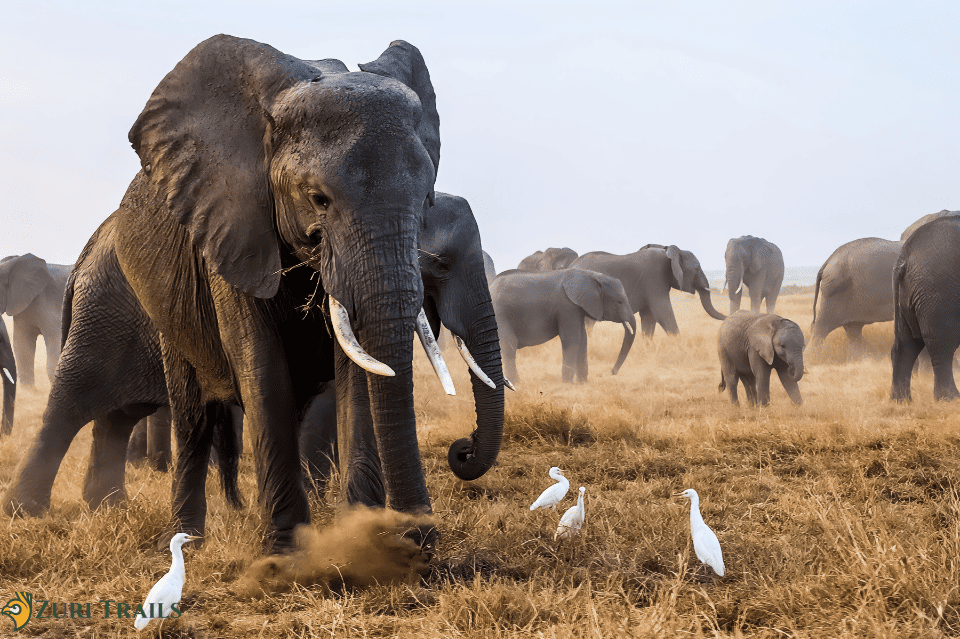
Large elephant herds in Amboseli National Park
Rare northern species in Samburu National Reserve
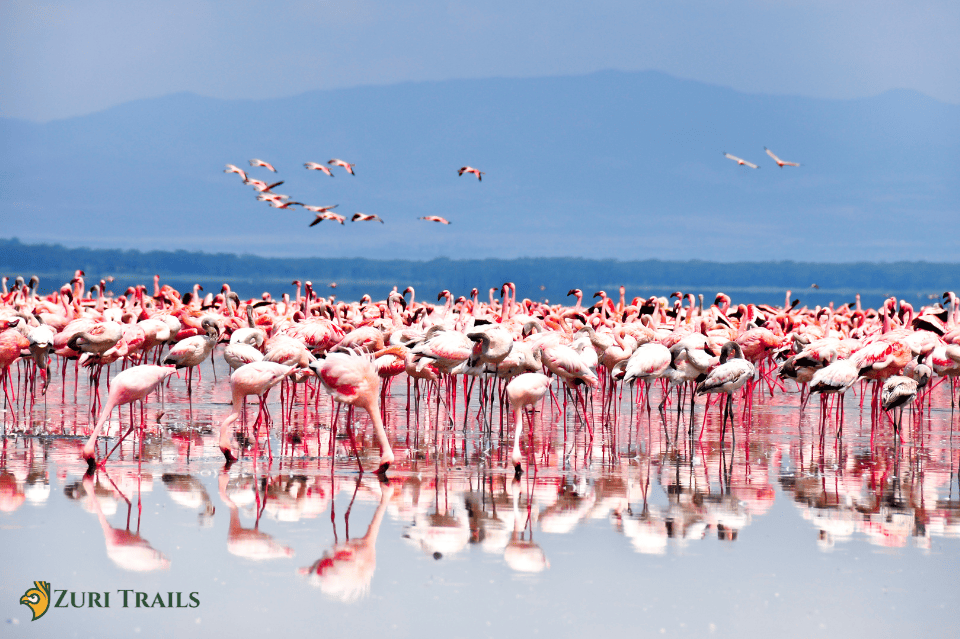
Flamingo-filled Rift Valley lakes like Lake Nakuru National Park
Kenya offers classic “Big Five” safaris, birdwatching, photography expeditions, walking safaris, and cultural visits — all within relatively short travel distances.
Best Time to Go on Safari in Kenya
Kenya is a year-round destination, but timing affects wildlife visibility and weather conditions.
June – October (Dry Season):
Best for wildlife viewing. Animals gather around water sources, vegetation is thinner, and the Great Migration typically crosses into the Maasai Mara between July and September.
November – May (Green Season):
Fewer crowds, lush landscapes, and excellent birdwatching. Short rains usually occur in November, while longer rains fall in April–May.
Types of Safaris in Kenya
1. Classic Game Drive Safari
Explore national parks in a 4×4 vehicle with a professional guide. Morning and evening drives maximize wildlife sightings.
2. Luxury Lodge Safari
Stay in high-end tented camps or boutique lodges with personalized service and premium amenities.
3. Budget & Mid-Range Safari
Comfortable yet affordable lodges or camps without compromising the wildlife experience.
4. Private & Custom Safaris
Tailored itineraries designed around your schedule, interests, and budget.
5. Combination Safari & Beach
Pair wildlife adventures with relaxation along the Kenyan coast in destinations like Mombasa or Diani.
What Wildlife Can You Expect?
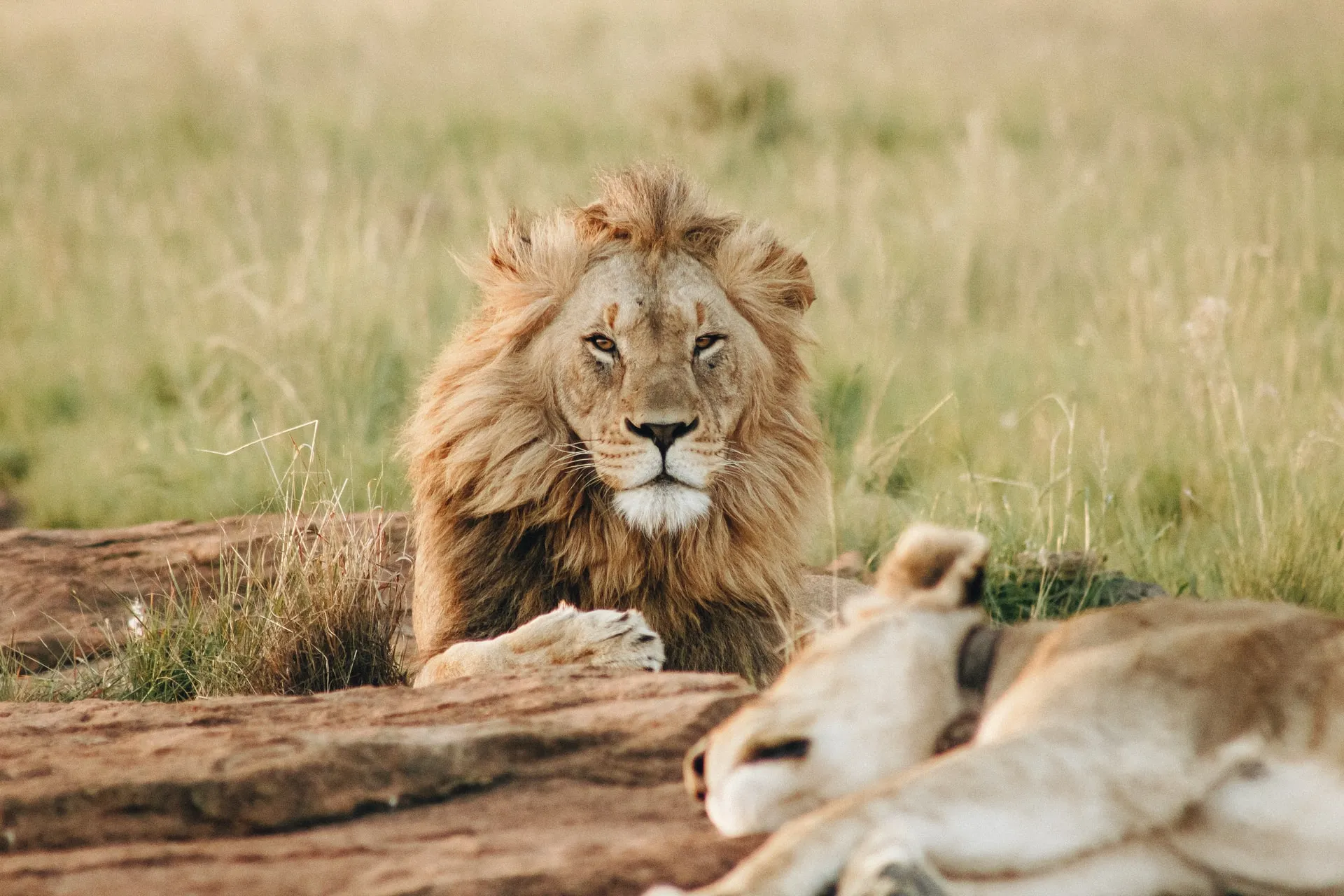
Kenya is famous for the Big Five:
Lion
Leopard
Elephant
Buffalo
Rhinoceros
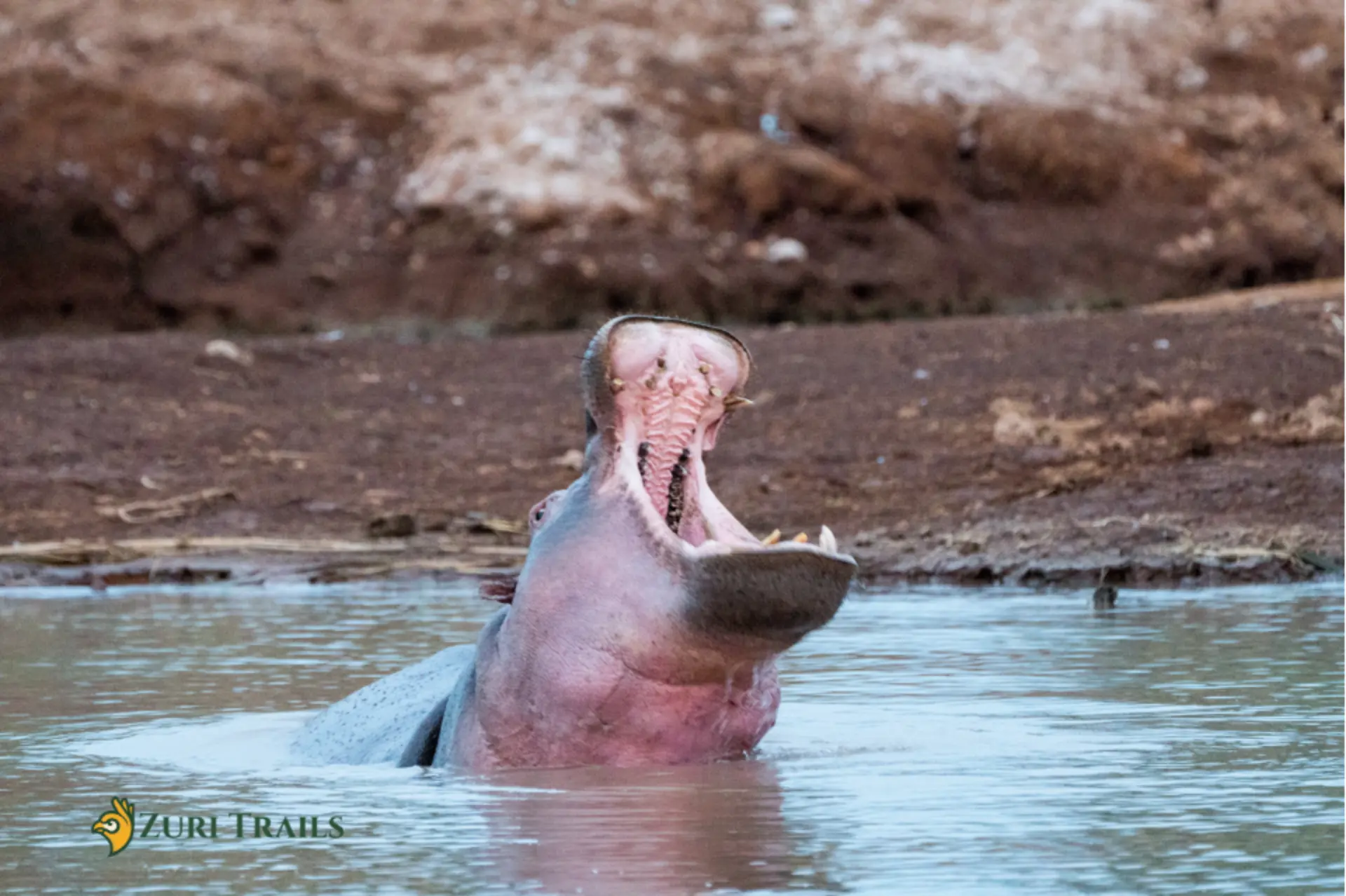
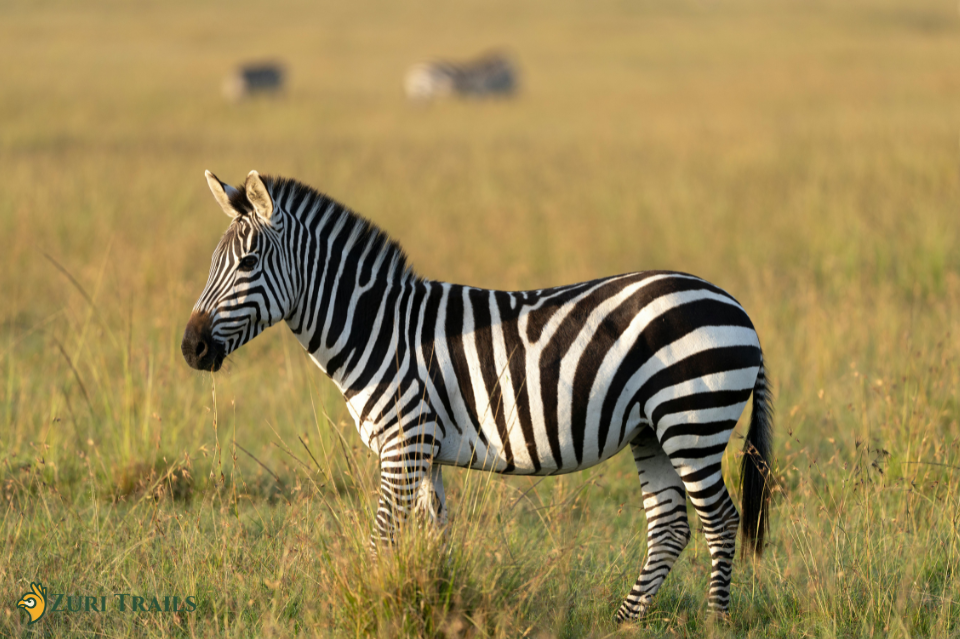
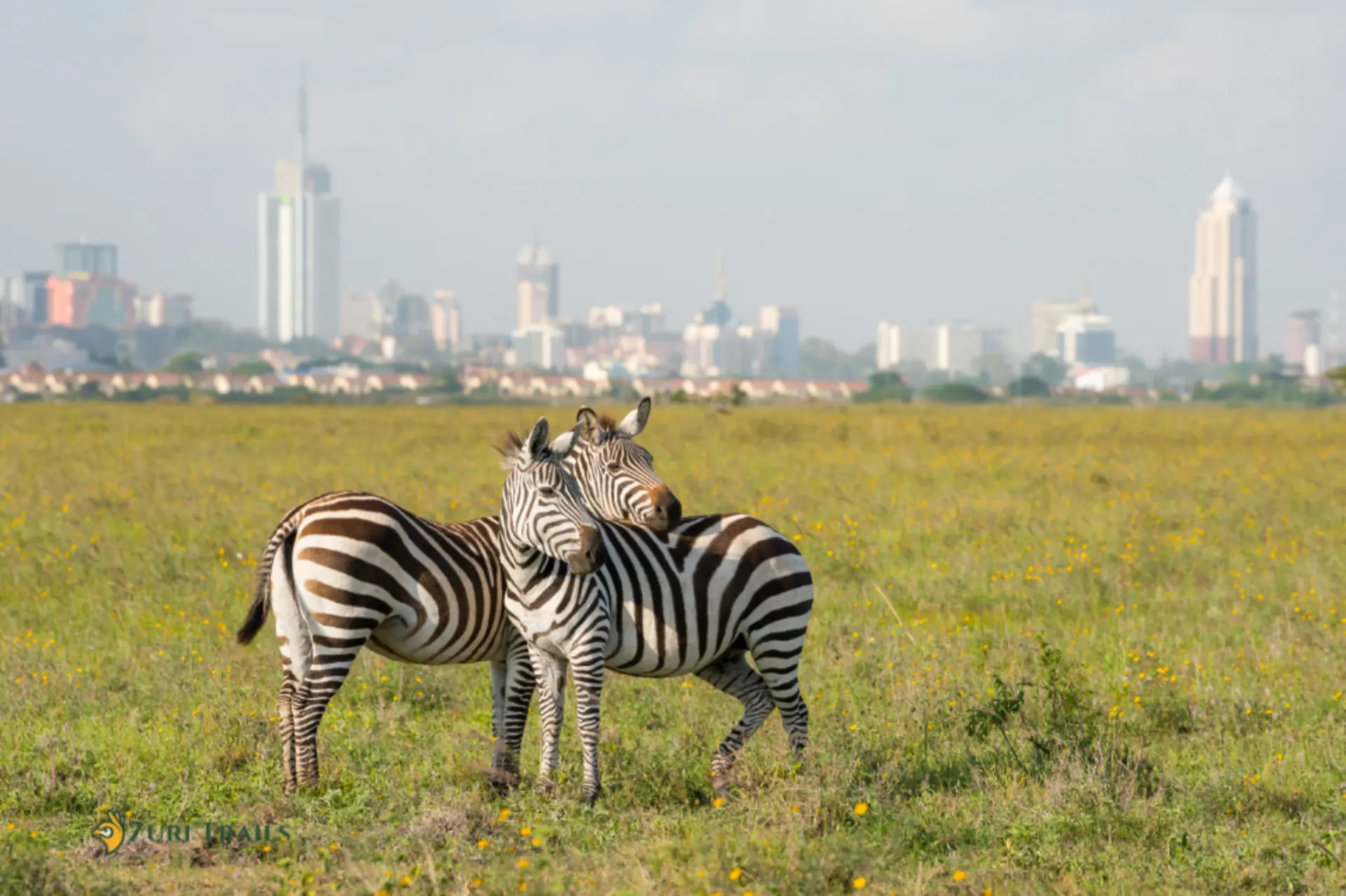
Beyond these, expect cheetahs, giraffes, zebras, hippos, crocodiles, hyenas, antelope species, and over 1,100 bird species.
Each park offers a slightly different ecosystem and wildlife focus, which is why many travelers combine two or more destinations.
What to Pack for a Kenya Safari
Keep it simple and practical:
Neutral-colored clothing (avoid bright colors)
Light layers for cool mornings and evenings
Comfortable walking shoes
Sunscreen, hat, sunglasses
Camera with extra batteries
Binoculars
Avoid overpacking — most lodges offer laundry services.
How Many Days Do You Need?
3–4 days: Ideal for a single park like Maasai Mara or Amboseli
5–7 days: Perfect for combining two destinations
8–12 days: Comprehensive Kenya safari including multiple ecosystems
10+ days: Safari plus coastal relaxation
Why Travel with a Professional Safari Operator?
A well-organized safari makes a major difference in:
Wildlife tracking expertise
Vehicle quality and safety
Lodge selection
Smooth logistics and transfers
Maximizing sightings during limited time
Experienced guides understand animal behavior, seasonal patterns, and park geography — increasing your chances of unforgettable encounters.
Final Thoughts
A Kenya safari is not just about seeing animals. It is about sunrise over the savannah, the distant roar of a lion at night, conversations around a campfire, and the feeling of standing in landscapes that have remained wild for centuries.
With proper planning and expert guidance, your safari will be seamless, safe, and deeply memorable.