



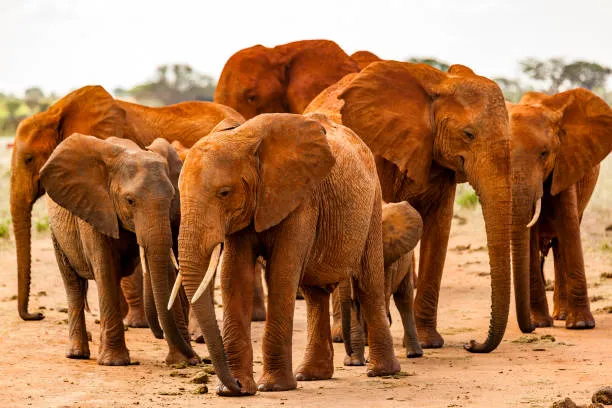
Protecting Kenya’s Wild Heritage for Future Generations
At Zuri Trails, sustainability is not a trend — it is a responsibility. Kenya’s landscapes, wildlife, and cultures are the foundation of every safari experience we offer. Protecting them is central to our mission.
We believe tourism should benefit conservation efforts, empower local communities, and minimize environmental impact. We design every safari we operate with this balance in mind.
Supporting Wildlife Conservation
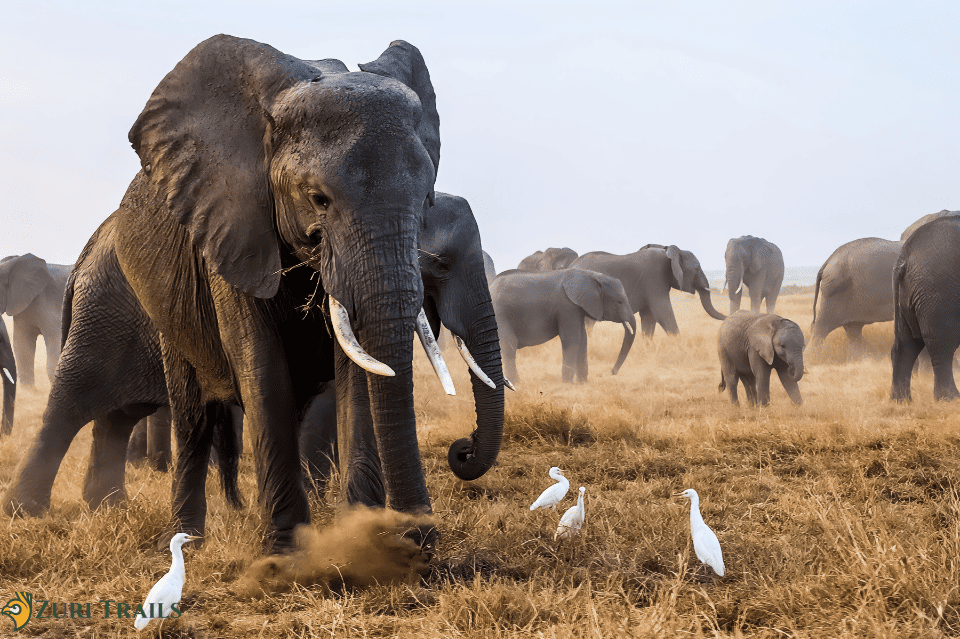
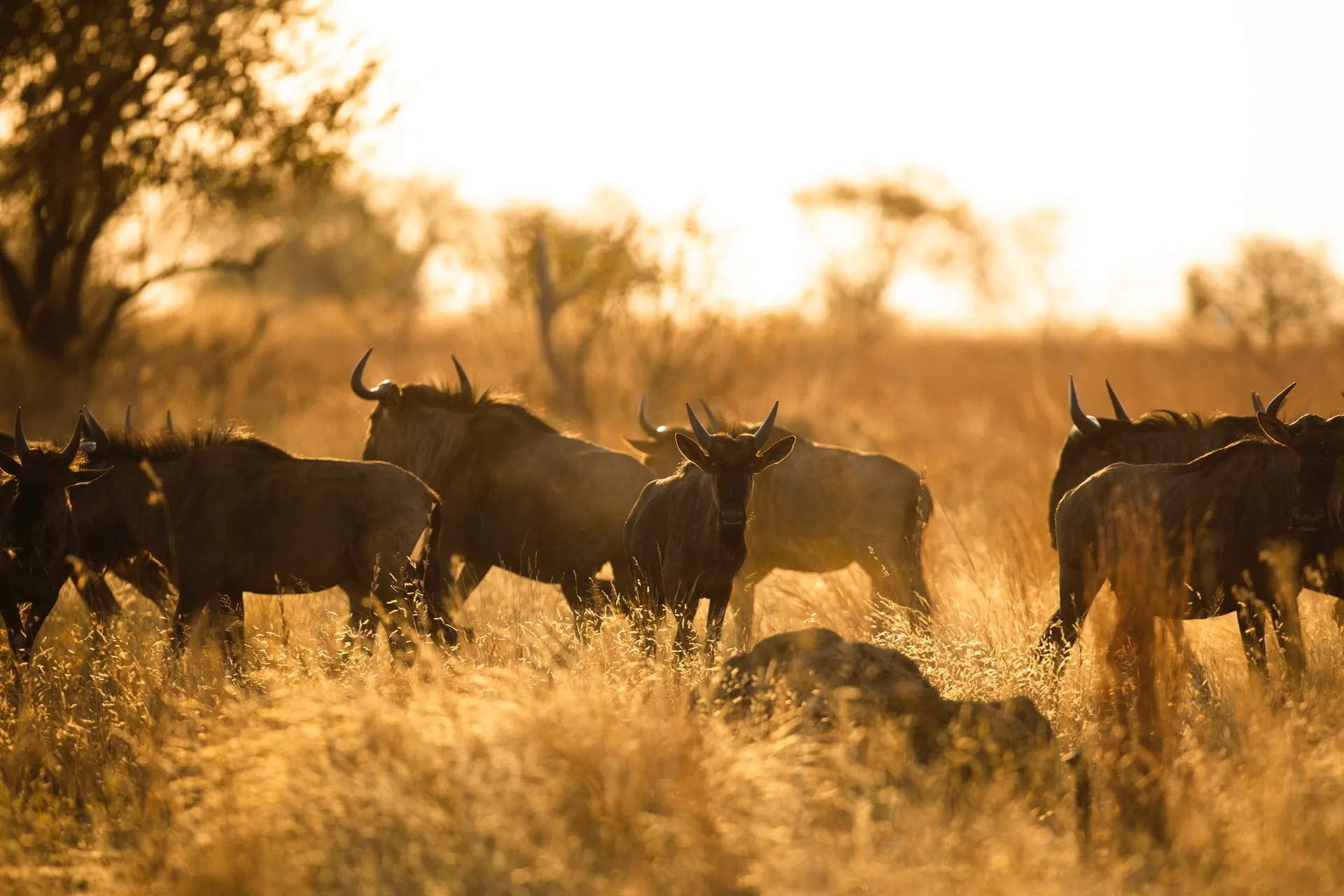
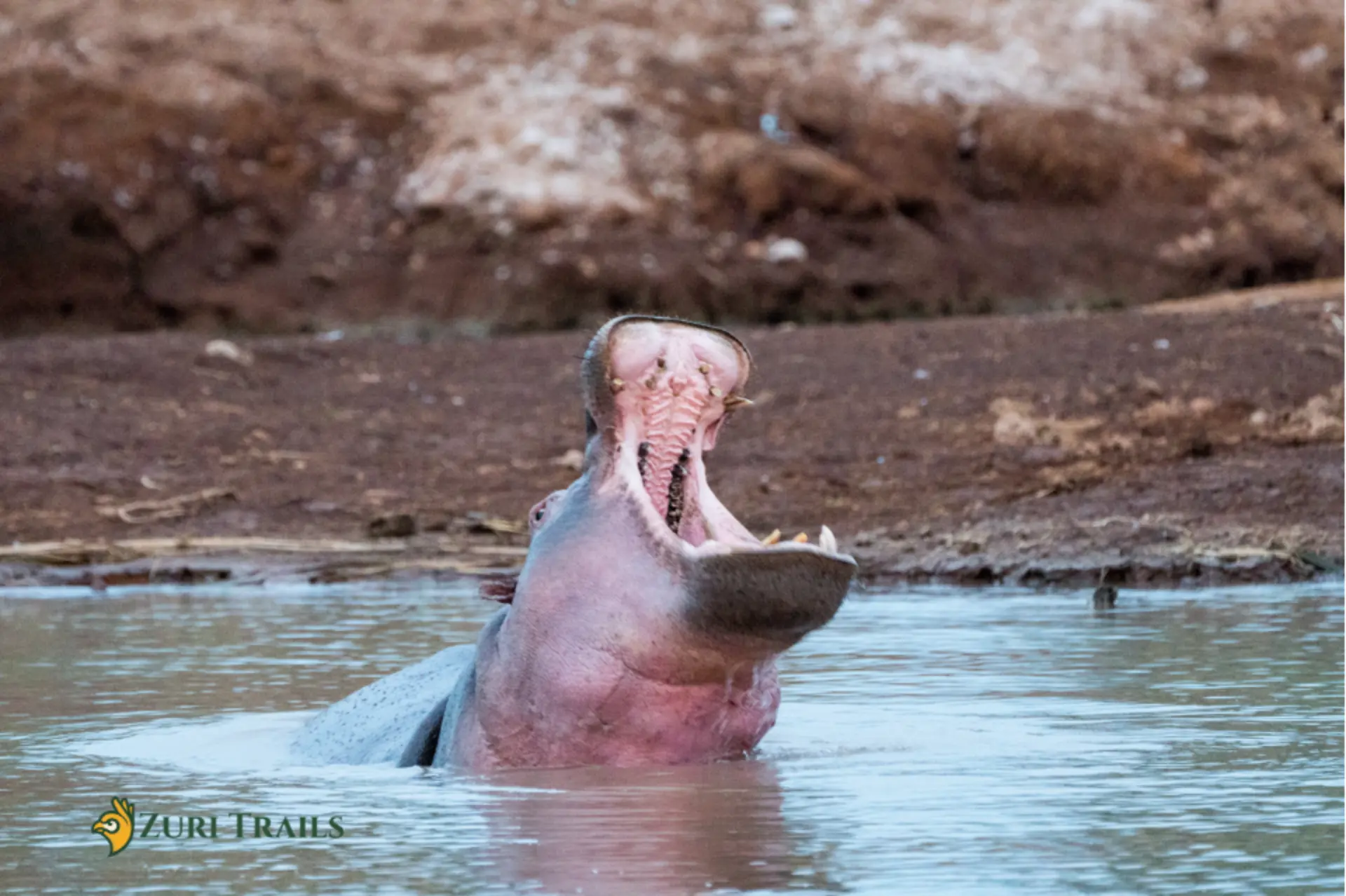
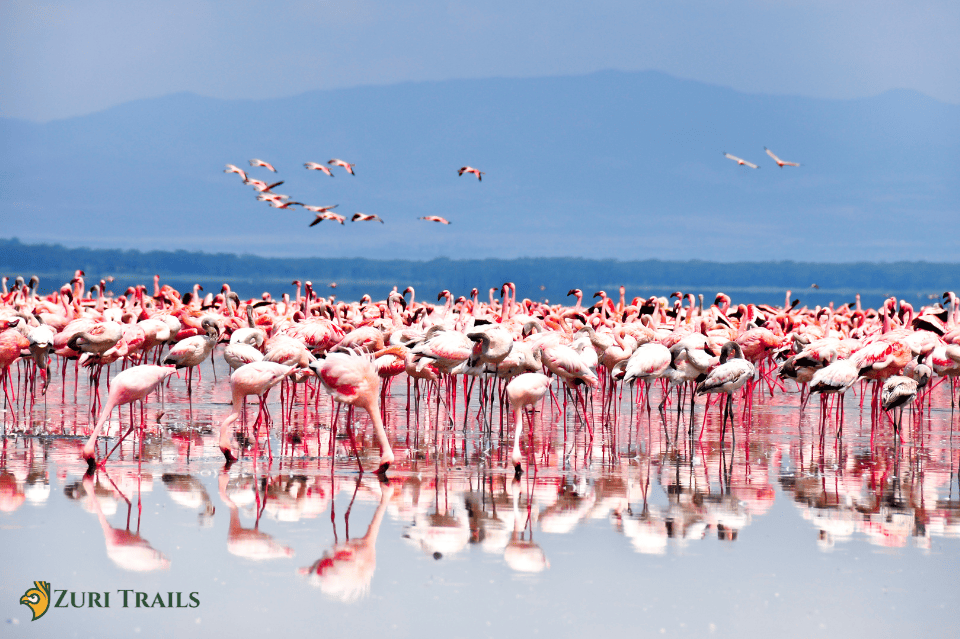
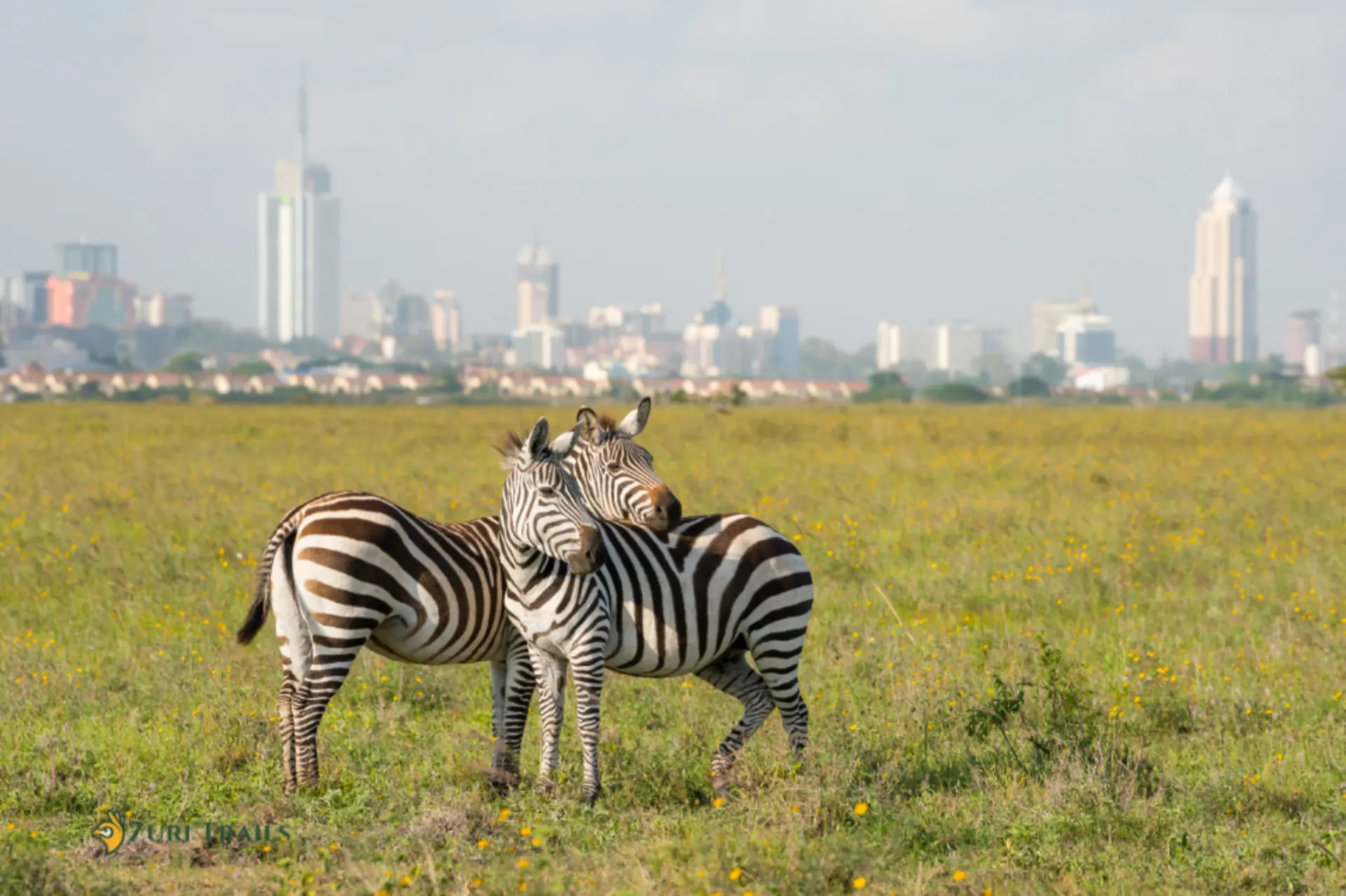
Kenya’s national parks and conservancies play a critical role in protecting endangered species and fragile ecosystems. By operating responsibly and working within regulated park systems such as the Maasai Mara National Reserve and Amboseli National Park, we contribute directly to conservation funding through park fees and local partnerships.
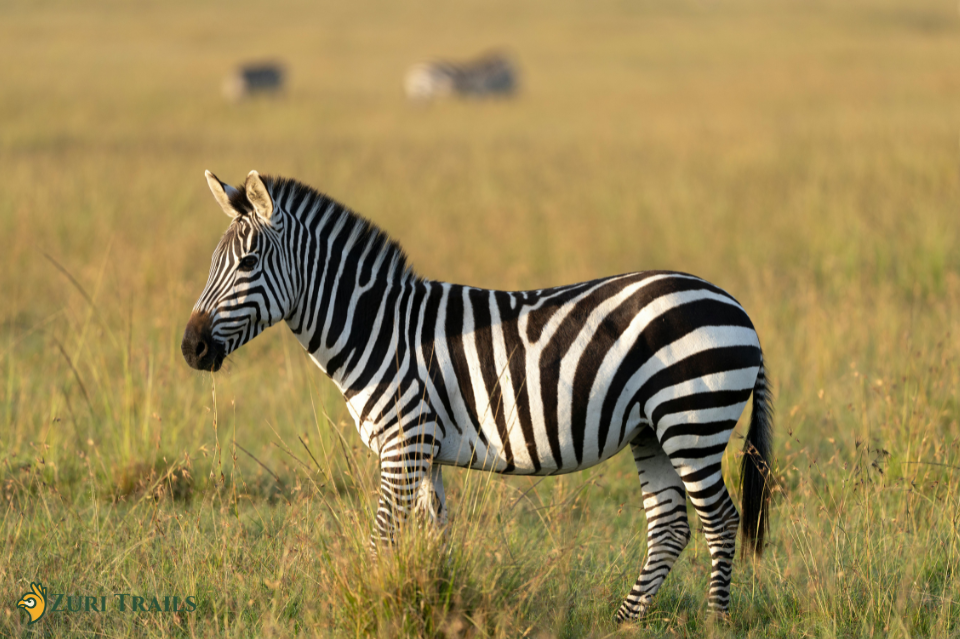
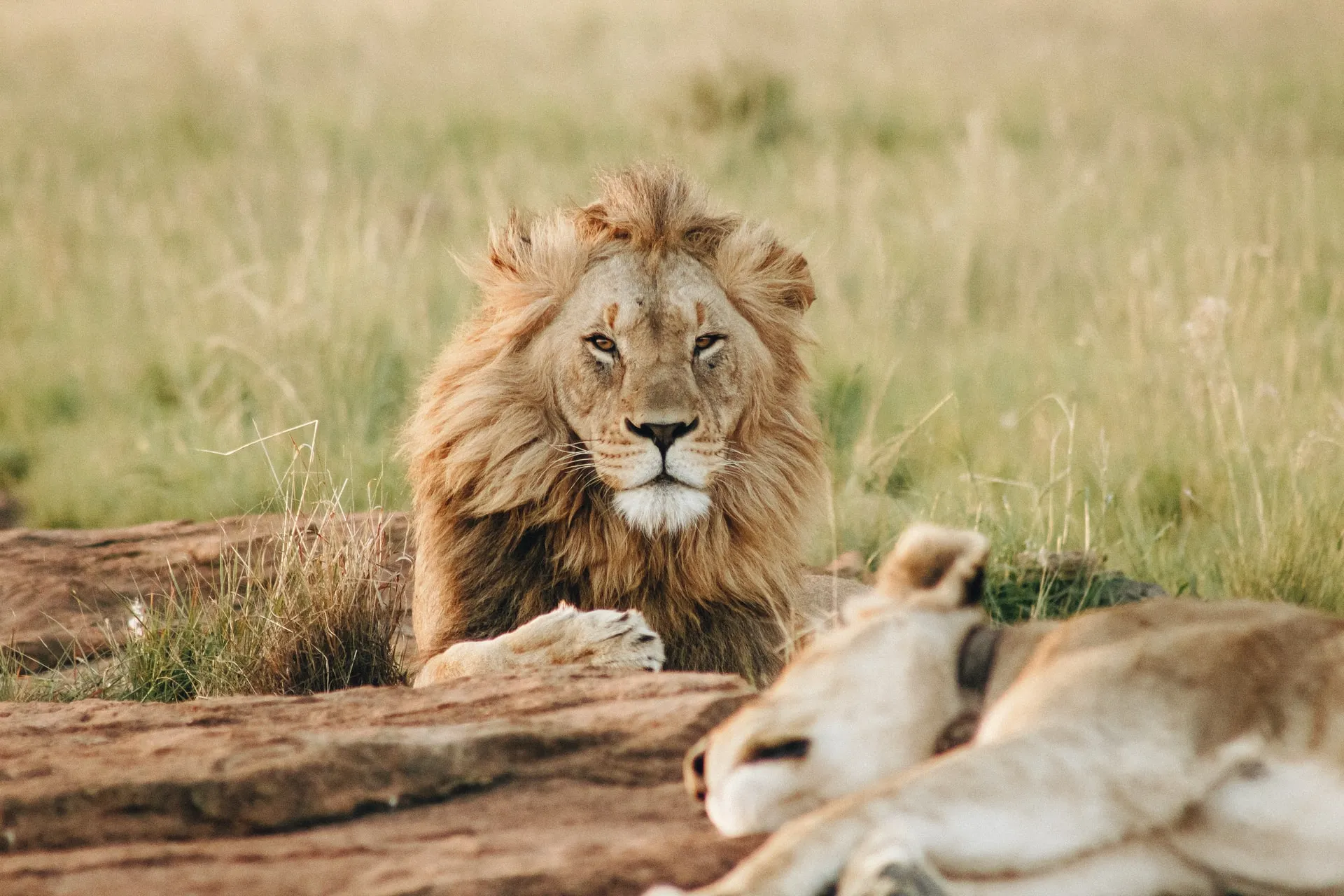
We collaborate with lodges and camps that follow ethical wildlife viewing practices, avoid off-road disturbance in restricted areas, and support anti-poaching initiatives. Our guides are trained to prioritize animal welfare over proximity, ensuring respectful and responsible wildlife encounters.

Empowering Local Communities
Sustainable tourism must create meaningful local impact. Zuri Trails works closely with community-owned conservancies, local guides, drivers, and hospitality teams across Kenya.
By sourcing services locally and promoting community-run lodges and cultural experiences, we help create employment opportunities and support regional economic development. We organize cultural visits respectfully, ensuring communities benefit directly from tourism while preserving their traditions.
Environmental Responsibility
We aim to minimize our environmental footprint throughout every stage of the safari experience.
Our efforts include reducing single-use plastics during trips, encouraging refillable water solutions, selecting eco-conscious accommodations, and planning efficient travel routes to lower fuel consumption. Many of the camps and lodges we partner with utilize solar energy, sustainable waste management systems, and water conservation practices.
Responsible travel choices, even small ones, collectively make a meaningful difference.
Ethical Wildlife Viewing
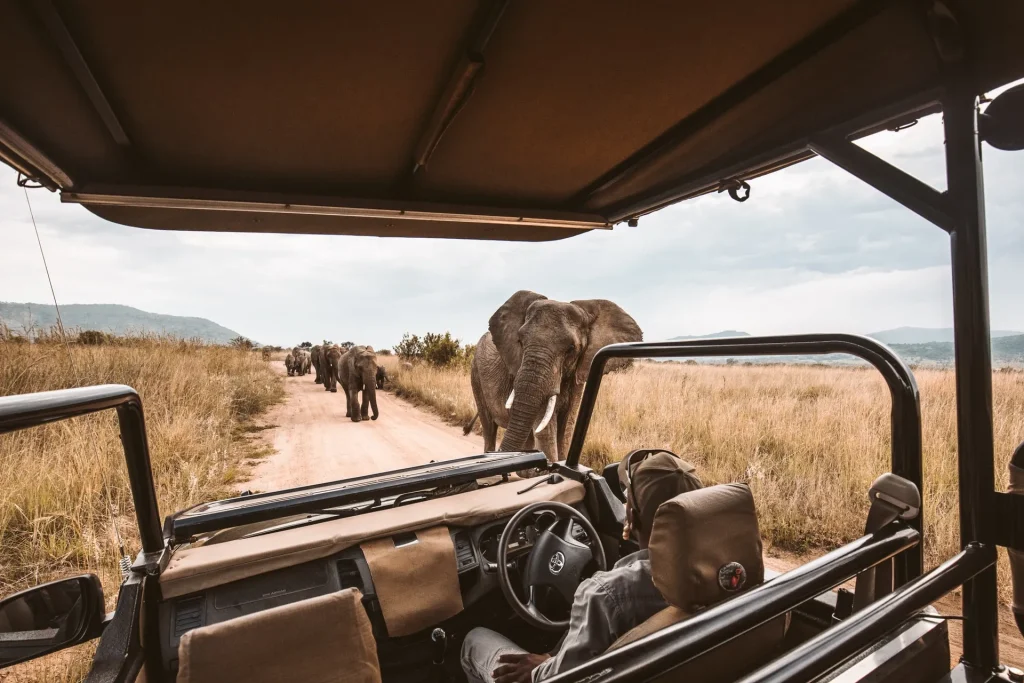
A safari should never disturb the natural rhythm of wildlife. Our guides adhere strictly to park regulations and ethical standards:
Maintaining safe distances from animals,
Limiting vehicle numbers at sightings,
Avoiding disruption during hunts or sensitive moments,
Never feeding or provoking wildlife.
The goal is always observation — not interference.
Sustainable Safari Planning
Thoughtful itinerary design is another key element of sustainability. We create well-paced journeys that reduce unnecessary driving, encourage longer stays in fewer destinations, and prioritize conservancies that actively reinvest in conservation.
Travelers also play an important role. By choosing responsible operators and respecting guidelines during game drives, each guest becomes part of the conservation story.
Our Ongoing Commitment
Sustainability is an evolving journey. As environmental challenges and conservation needs change, we continuously review our practices to improve our impact.
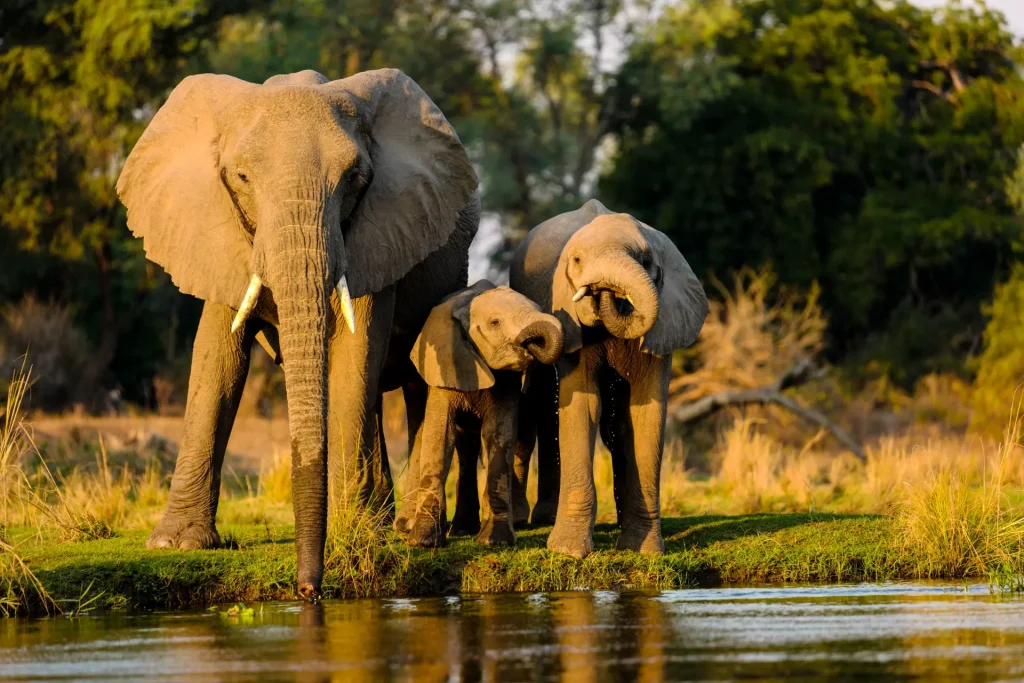

At Zuri Trails, we see ourselves as custodians of Kenya’s natural heritage. Every safari booked supports wildlife protection, community livelihoods, and the preservation of the landscapes that make Kenya extraordinary.
When you travel with us, you are not only experiencing the wild—you are helping protect it.